PC Help Online

No more endless tabs. No more half-answers. Just the PC help you're actually looking for, in one spot.

Glad you're here: Nobody wants to spend their evening bouncing between ten different company pages just to fix one computer glitch. That's the exact headache this site was built to erase.

Think of us as the sorting hat for the internet's pile of PC knowledge — we dig through it so you land on an answer instead of a search results page.

Here's the honest version: we've already clicked through the vendor sites, tested the links, and tossed out anything that wasn't worth your time. Less digging for you, more straight-to-the-point results. And it's genuinely our regulars — folks like you — whose tips keep this whole PC Help Online project pointed at what's actually worth your attention.

Curious what's new around here? Pop your address into the box below and we'll shoot over an update every so often. Stuck on something right now, though? Skip the wait and head straight to the discussion forum, where other users are usually happy to compare notes.

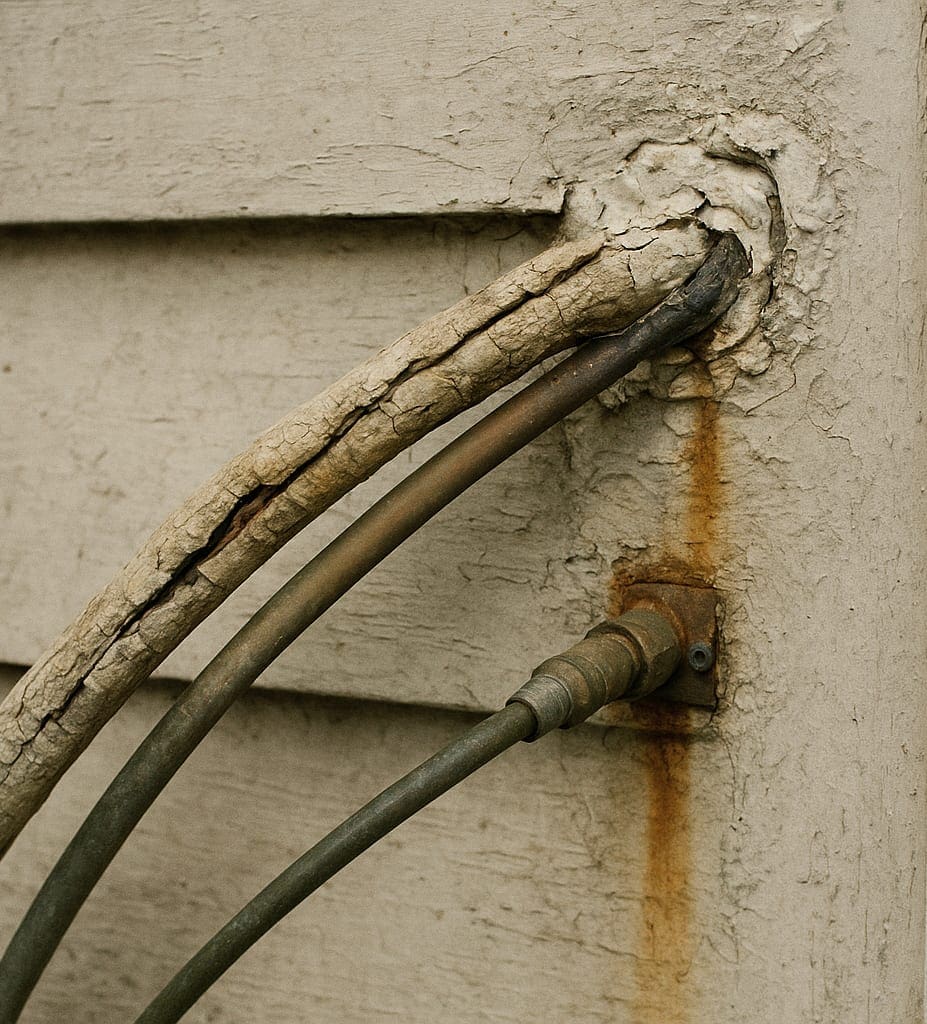
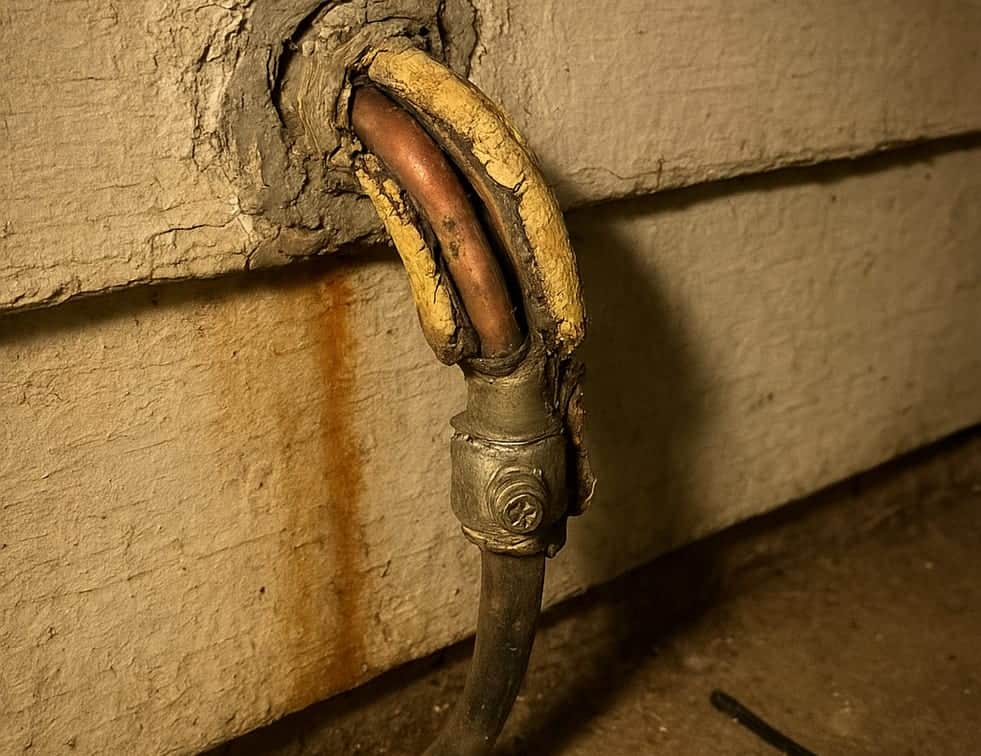
And that's really just the front door. Our PC Resources hub keeps growing behind it, packed with more to explore. One thing folks often overlook: a computer problem doesn't always start with the computer. Chewed cables, damaged wiring, even pests that have decided your equipment closet looks cozy — these can quietly cause the exact kind of trouble you'd normally blame on hardware.

Roof Repair Software: File Management for Project Tracking

Keeping files organized inside roof repair software gives crews a clean trail from the first inspection all the way to the final sign-off. That cuts down on mix-ups and makes handoffs between field crews and the office run smoother. It also stops those small errors that build up when people lean on memory or loose notes instead of one shared system.

blue plastic bucket light wood kitchen

Why Keeping Files Organized Counts in Roofing Work

Roof jobs pile up a lot of paperwork. Photos, contracts, supply lists, and inspection notes all show up at different stages. Without a clear system those items scatter across inboxes and random folders. The right software pulls everything into one place the whole team can reach whenever they need it. When a crew has to check an old measurement or pull the exact wording from a contract, they know right where to go instead of digging through old emails or asking around.

Features That Help Track a Job

Most platforms keep a log of every change to a document so nothing gets lost in the shuffle. Quick search tools pull up old estimates or change orders in seconds. Permission controls let only certain people see pricing details while still letting crews drop in daily photos from the site. These pieces remove the everyday friction that slows work during busy stretches. A project lead can glance over and see exactly what changed last and who changed it, no need to track someone down on the job.

Folders set up automatically by job number or client keep the pattern steady from day one. Mobile apps let crews add photos and notes on the spot instead of waiting till they get back to the truck. Alerts pop up when a file needs a second look, catching small oversights early. Export tools spit out client or insurance reports fast when the paperwork deadline hits.

All that turns scattered notes into something you can actually use to stay on schedule. It also leaves a trail that comes in handy months later if someone asks what really happened on site.

Setting Up a Steady Routine

Map out the usual steps in a repair job first, then decide which papers belong where. Drop in templates for the forms everyone uses so the format stays the same across crews. Set a regular time to clean out old stuff and close out finished jobs. Over months this habit builds a searchable history that helps when you bid the next job or handle a warranty call.

Even solid software stays half-used if the team never really gets on board. Short practice sessions that focus on daily tasks work better than long tours of every button. Push crews to upload photos right after each visit so the record stays fresh. Office staff can then match documents to budgets without hunting for missing pieces. Once those steps turn into habit, managers waste less time chasing files and more time handling what actually needs fixing on site. Fewer delays show up, and owners get clearer answers.

single storey brick ranch house newer

So what if someone skips the upload a couple times? The next person works from a partial picture, and those gaps start shaping choices later on.

Tracking How It Affects Daily Work

Watch basic numbers like time spent hunting for files or how many estimates get revised each month. Drops in those counts show the system is helping. Look at the numbers every quarter and tweak folder rules or access rights where needed. Keep adjusting so the tool still fits how the business actually runs.

Plenty of roofing crews reach out to places like New State Roofing Repair when they want fresh ideas on tools or process tweaks. That hands-on view often catches details that general guides miss.

Issues That Trip Teams Up

Folders with too many layers just frustrate people and lead to messy naming. Leaving uploads to one person creates jams when work piles up. Skipping mobile options cuts off the real-time notes coming in from the field. Fix these early and the whole team keeps using the system instead of drifting back to old habits.

Keeping the System Ready When the Crew Grows

Adding people or bigger jobs means the same file setup has to keep working without cracking. Build in space for new categories or changed permissions from the start. Otherwise the layout that felt fine for a small group starts feeling tight once the team gets larger. A quick check every few months usually shows where a small adjustment would help before it turns into a real mess.

Looking Ahead

Bigger jobs make quick access to the right info a real edge. Putting effort into file habits now gives a base that handles more work and more people later. Steady use of the software turns scattered notes into something the whole operation can count on. The payoff shows up in small ways though. Less time lost, fewer repeated questions, and a clearer view of each job from start to finish.

Emergency Plumber Websites: Operating Systems and Hosting Solutions Compared

When a pipe bursts at 2 AM, customers don’t care about your server architecture. They care about finding you immediately. Your website’s operating system and hosting solution directly impact whether that panicked homeowner reaches you or your competitor. The difference between a site that loads in 0.8 seconds versus 4.5 seconds is the difference between a booked job and lost revenue. That’s the whole ballgame.

Most plumbing businesses treat their website as an afterthought. They choose the cheapest hosting plan, ignore server locations, and wonder why mobile users bounce within seconds. This approach costs thousands in missed emergency calls annually. The technical foundation of your online presence requires the same attention you’d give to selecting service vehicles or diagnostic equipment.

Operating System Fundamentals for Service Business Websites

Linux-Based Hosting Environments

Linux dominates the web hosting landscape for clear reasons. The operating system delivers stability that translates to uptime percentages above 99.9%. For emergency service providers, every minute of downtime represents potential customers calling competitors instead.

Linux hosting typically costs 30-50% less than Windows equivalents while providing superior performance for standard website functions. The open-source nature means security patches deploy faster, and the system handles traffic spikes without degradation. When a local news story mentions frozen pipes during a cold snap, your site needs to handle 10x normal traffic without crashing.

Key advantages for plumbing websites:
operating system hosting plumber website diagnostics

  • Native compatibility with PHP, the language powering WordPress and most service business sites
  • Lower memory requirements mean faster page loads on budget hosting plans
  • Command-line access for advanced optimization without additional costs
  • Automatic resource allocation during traffic surges

Windows Server Hosting Considerations

Windows hosting makes sense in specific scenarios. If your business uses Microsoft-specific technologies like ASP.NET for custom scheduling systems or integrates deeply with Office 365 infrastructure, Windows servers provide seamless compatibility.

The cost premium runs $5-15 monthly for shared hosting, scaling to hundreds monthly for dedicated servers. This investment delivers value only when leveraging Windows-specific features. For standard brochure sites with contact forms and service area pages, Linux handles these tasks more efficiently.

Windows servers require more frequent reboots for updates, creating brief downtime windows. Scheduled maintenance at 3 AM matters less for retail sites but poses problems for emergency service providers who generate leads around the clock.

Hosting Solution Categories Analyzed

Shared Hosting Reality Check

Shared hosting places your website alongside dozens or hundreds of others on a single server. This arrangement costs $3-10 monthly but comes with significant tradeoffs. Server resources divide among all sites, meaning your neighbor’s traffic spike slows your load times.

For brand-new plumbing businesses testing online marketing, shared hosting provides adequate starting infrastructure. The moment you invest in local SEO or paid advertising, upgrade immediately. Sending $500 monthly in Google Ads traffic to a shared hosting environment wastes 30-40% of that budget on bounced visitors who won’t wait for slow pages.

Virtual Private Server Performance

VPS hosting allocates dedicated resources within a shared physical server. You receive guaranteed RAM, CPU cores, and storage that other sites cannot access. This middle-ground solution costs $20-80 monthly depending on resource allocation.

When an emergency plumber website starts generating 15-30 leads monthly, VPS hosting becomes essential. The dedicated resources ensure consistent load times regardless of traffic fluctuations. During winter freeze events or summer storm seasons, your site maintains performance while competitors on shared hosting struggle.

VPS configurations worth considering:

  • 2GB RAM minimum for WordPress sites with booking plugins
  • SSD storage rather than traditional hard drives for 3-5x faster data retrieval
  • Managed services that handle security updates and backups automatically
  • Scalable resources that expand during peak seasons without migration

Dedicated Server Justification

Dedicated servers provide an entire physical machine for your exclusive use. Costs start at $100 monthly and climb quickly with enhanced specifications. This solution makes sense for multi-location plumbing companies, franchises, or businesses running complex scheduling systems with thousands of customer records.

The performance ceiling rises dramatically. A dedicated server handles 10,000+ simultaneous visitors without degradation, processes complex database queries instantly, and provides complete control over security configurations. For single-location operations, this represents overinvestment that delivers no measurable ROI improvement.

Cloud Hosting Flexibility

Cloud hosting distributes your website across multiple servers, eliminating single points of failure. If one server experiences issues, traffic automatically routes to healthy machines. This redundancy ensures uptime percentages above 99.95%.

Pricing models charge for actual resource consumption rather than fixed monthly rates. During slow months, costs drop to $15-25. When emergency situations drive traffic surges, automatic scaling handles the load while costs temporarily increase to $40-60. This flexibility matches the seasonal nature of plumbing emergencies.

Major platforms like AWS, Google Cloud, and DigitalOcean require technical expertise or managed service partnerships. The complexity adds $50-150 monthly in management costs but delivers enterprise-grade infrastructure at small business prices.

Geographic Server Location Impact

Server physical location affects website speed more than most realize. Data travels at light speed, but routing through network infrastructure adds measurable delays. A server in Dallas serves Houston visitors 40-60 milliseconds faster than one in New York.

For local service businesses, choose hosting with data centers in your region. East Coast plumbing companies should select servers in Virginia, New York, or New Jersey. West Coast operations benefit from California or Oregon locations. Central US businesses perform best with Texas or Illinois server locations.

Content delivery networks (CDNs) cache website files across global server networks, serving visitors from the nearest location. For service businesses operating within 50-mile radius territories, CDNs provide minimal benefit. The $10-20 monthly cost delivers better returns when invested in hosting performance upgrades instead.

Performance Metrics That Actually Matter

Time to First Byte Standards

TTFB measures how quickly servers begin sending data after receiving requests. Quality hosting delivers TTFB under 200 milliseconds. Budget shared hosting often exceeds 800 milliseconds, creating noticeable delays before anything appears on screen.

Test your current hosting using tools like WebPageTest or GTmetrix. Run tests from multiple locations during different times of day. Consistent TTFB above 400 milliseconds indicates hosting infrastructure problems requiring immediate attention.

Uptime Monitoring Requirements

The industry-standard 99.9% uptime sounds impressive but allows 8.7 hours of downtime annually. For emergency service providers, those hours likely occur during peak demand periods, costing dozens of potential jobs.

Premium hosting guarantees 99.95% or higher, reducing annual downtime to under 4.5 hours. Monitor uptime independently using services like UptimeRobot rather than trusting host-provided statistics. Set alerts for outages exceeding 2 minutes to catch problems before significant lead loss occurs.

Security Considerations for Service Websites

Plumbing websites collect customer information through contact forms, quote requests, and booking systems. This data requires protection through SSL certificates, regular backups, and malware scanning.

Linux hosting provides inherent security advantages through permission systems that isolate websites from each other on shared servers. Windows hosting requires additional security layers but offers familiar interfaces for businesses already invested in Microsoft ecosystems.

Non-negotiable security features:

  • Free SSL certificates through Let’s Encrypt or premium alternatives
  • Automated daily backups with 30-day retention minimums
  • Malware scanning that runs at least weekly
  • Firewall configurations blocking common attack patterns
  • Two-factor authentication for hosting account access

Plumbing businesses should also consider water conservation and sustainability practices, with organizations like WateReuse providing valuable resources for industry professionals looking to implement environmentally responsible approaches that can be highlighted on service websites.

Making the Selection Decision

New plumbing businesses generating under 10 leads monthly can start with quality shared hosting on Linux servers. Choose providers offering free migrations so upgrades happen smoothly as lead volume grows.

Established operations generating 15+ monthly leads require VPS hosting minimum. The investment pays for itself through improved conversion rates and reduced bounce rates. Cloud hosting makes sense for businesses experiencing significant seasonal fluctuations or planning rapid expansion.

Dedicated servers remain niche solutions for multi-location operations or businesses running proprietary software requiring specific server configurations. The complexity and cost exceed what single-location service businesses require.

Implementation Timeline and Testing

Hosting migrations require 2-4 hours for standard websites and 1-2 days for complex systems with multiple integrations. Schedule migrations during slow periods, typically Tuesday through Thursday between 10 PM and 2 AM.

Post-migration testing must verify all forms submit correctly, booking systems function properly, and tracking codes fire accurately. Test from multiple devices and browsers to catch compatibility issues before customers encounter them.

Your hosting infrastructure operates invisibly until it fails. Choosing appropriate operating systems and hosting solutions based on actual business requirements rather than price alone prevents those failures from costing emergency jobs during critical moments.


Comparing Popular Desktop Operating Systems

Many people choose among three main desktop operating systems when they set up or replace a computer. Windows, macOS, and Linux each handle everyday tasks such as opening files, running applications, and connecting to networks. The differences appear in how each system organizes its desktop, which programs it runs most easily, and which computers it supports without extra work.

Windows on Most Personal Computers

Windows places a start menu in the corner and keeps open programs visible along the bottom of the screen. This layout lets users switch between a word processor, a browser, and a photo viewer without learning new steps. It works with the largest collection of commercial software, including games that require specific graphics hardware and office packages that store documents in common formats. Most new printers, webcams, and external drives connect through standard ports and begin working after a simple driver install.

People who keep older machines often stay with Windows because replacement parts and repair guides remain easy to find. The system also supports multiple user accounts on one computer, so family members can keep separate settings and files. Performance stays steady on machines with at least 8 gigabytes of memory and a recent processor, though older hardware may slow down when several large programs run at once.

macOS on Apple Hardware

macOS comes installed on Apple desktop and laptop models and ties closely to the hardware design. The dock at the bottom of the screen shows running applications, while the menu bar at the top stays the same no matter which program is active. Built-in tools handle photo editing, music playback, and video trimming without extra purchases. Files sync across other Apple devices when the same account signs in on each one.

This system suits users who already own an iPhone or iPad and want consistent file handling between machines. It installs fewer drivers because Apple controls both the computer and the operating system. Some specialized programs written only for Windows will not run without extra software that translates them, so users check compatibility before switching. macOS updates arrive once a year and keep older models supported for several years after purchase.

Linux Distributions for Custom Needs

Linux appears in many versions called distributions. Ubuntu supplies a familiar desktop layout and includes office tools and a web browser from the first install. Fedora emphasizes newer software packages and appeals to developers who compile code. Both run on a wide range of hardware, including computers several years old that no longer receive updates from other systems.

Common Linux Strengths

The system allows deep changes to the desktop appearance and keyboard shortcuts. Most distributions install through a single file download and a USB drive, without payment. Drivers for basic components such as Wi-Fi and graphics usually load during setup, though some wireless cards need an extra step. Users who run servers or write software often prefer Linux because the tools match professional environments exactly.

Hardware Limits and Software Fit

Before choosing an operating system, check the processor speed, memory amount, and graphics card listed on the computer. Windows and Linux install on machines from many manufacturers, while macOS stays limited to Apple models. A program written for one system may need an alternate version or a translation layer on another. For example, a person who edits video daily should verify that the editing software they rely on exists for the chosen operating system.

Older printers sometimes require updated drivers that the manufacturer no longer supplies for newer systems. External hard drives formatted in one file system may need conversion before they work on a different operating system. These checks prevent surprises after the install finishes.

Questions That Guide the Choice

Users list the programs they open every week and note which operating system supports them without added steps. They also consider whether they plan to add memory or a larger drive later, since some systems handle hardware changes more directly than others. Finally, they test the daily layout on a live USB version when possible, so the feel of the desktop becomes clear before any files move over.

Effective Strategies for Organizing Computer Files

A common starting point is to create a few main folders on the main drive. These might cover broad areas such as documents, pictures, music, and downloads. Inside each of those, add narrower folders that match how the files actually get used. For instance, under pictures a person could have separate folders for family events, holiday trips, and scanned receipts. The key is to stop at a depth that still feels workable. Going more than three or four levels deep often leads to folders that are forgotten because reaching them takes too many clicks.

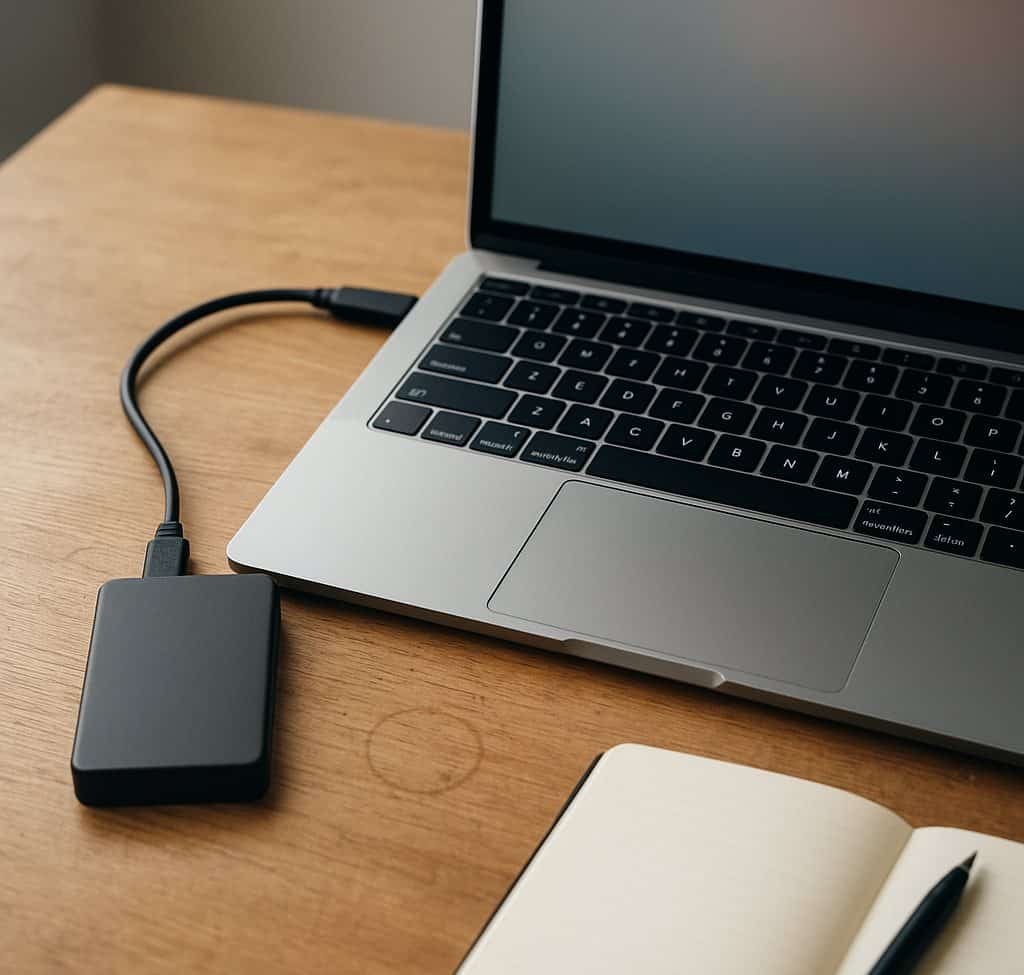
external drive on wood desk

Building a Logical Folder Setup

Think about the order in which files are created. A simple yearly split works for many people. Inside a documents folder they might keep a 2022 folder, a 2023 folder, and so on. Each yearly folder then holds project folders or topic folders. One person keeps tax records this way: the year folder contains a subfolder named Taxes, and inside that sits the actual return and supporting scans. Another person stores recipes as plain text files grouped first by meal type and then by the month the recipe was last cooked. The structure only needs to match the way that person looks for things later.

Good Ways to Name Your Files

File names should describe the contents without needing to open the file. A name like March_utility_bill.pdf tells more than bill.pdf. Adding a date at the start or end helps when files are listed by name. Some people use YYYY-MM-DD because that order sorts correctly on most systems. Others add a short project code if the same type of file appears in different folders.

Avoid long strings of numbers or vague words such as final or revised. Those versions multiply quickly and create confusion later. When a file goes through several edits, a simple number at the end, such as draft_03, usually suffices. Keep the name short enough to read in a narrow window.

Using Search Tools and Metadata

Built-in search can locate files even when the folder layout is not perfect. Typing part of a name or a word inside the file often brings the right result within seconds. For pictures many programs let the user add tags such as location or names of people. These tags stay with the file when it is copied or moved. A tag like beach_2022 makes it possible to find every photo taken at that location without knowing which folder holds it. The same idea applies to documents: some word processors allow keywords to be stored in the file properties. Filling in those fields takes only a moment and can save time months later.

Handling Backups

Copying important folders to an external drive once a week is a straightforward habit. The copy can be as simple as dragging the main folders onto the drive. Some users keep two external drives and rotate them so one stays off-site. Cloud storage works for smaller sets of files when the internet connection is reliable. The important step is to test the backup now and then by opening a copied file from the backup location. That check shows whether the copy actually opens and whether the folder structure copied over intact.

usb drives in open drawer

Sticking With the Plan Over Months and Years

New files arrive every day, so a short weekly pass through the download and documents folders keeps things from piling up. During that pass, files without clear homes can be renamed and moved. Once every few months it helps to look at the oldest folders and decide whether their contents still need to stay on the main drive. Some items can be moved to an archive drive or deleted if they are no longer needed.

A practical check is to try finding a file from last year using only the search box. If the search takes more than a minute, the name or folder placement may need adjustment. Small changes made at these intervals usually prevent the need for a full reorganization later.

Integrating Computer Hardware with Modern HVAC Systems

Many people assume that heating and cooling equipment functions through simple mechanical processes alone. Yet this overlooks how computer hardware now drives precision control, data monitoring, and automated adjustments in contemporary setups. Common misunderstandings often lead to underutilized systems or unnecessary expenses when hardware integration is ignored or mishandled.

Professionals such as those from Virginia Carolina HVAC frequently address these gaps by clarifying how digital components enhance rather than complicate operations.

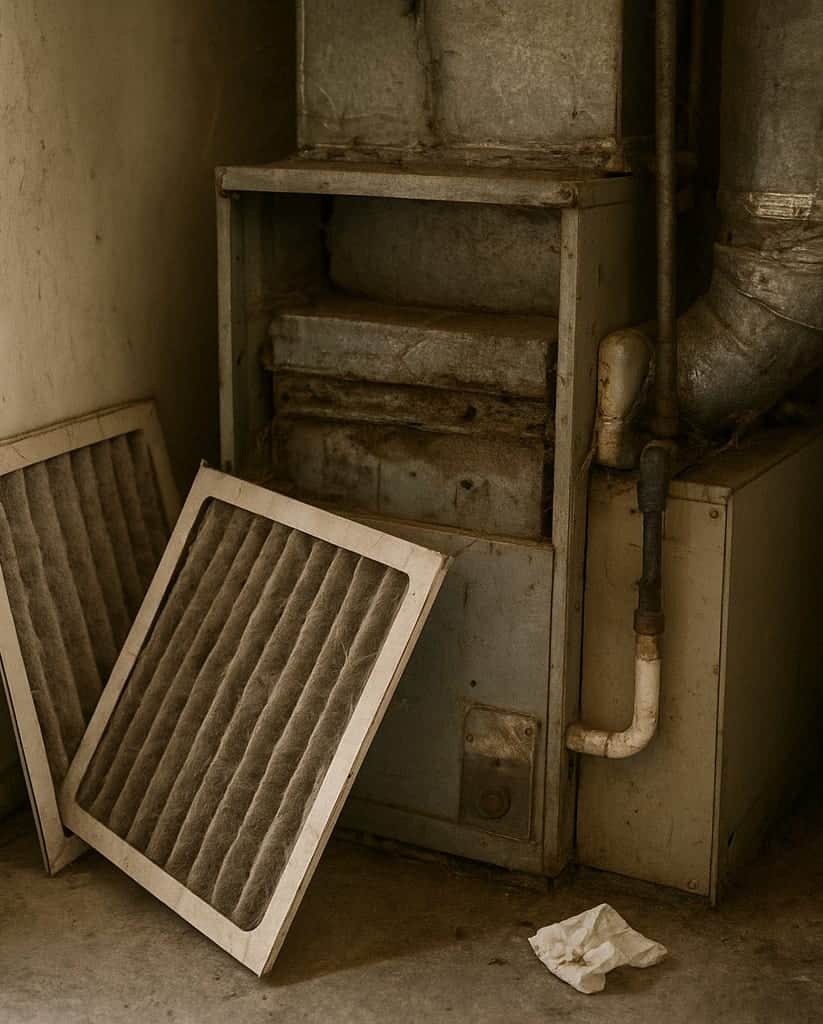
historical hvac software

Does Computer Hardware Really Increase Breakdown Risks?

A widespread belief holds that adding processors, sensors, and control boards makes equipment more fragile. In reality these elements enable real-time diagnostics that detect issues before they escalate into major failures. Hardware monitors variables such as temperature fluctuations, airflow rates, and energy draw, allowing predictive maintenance instead of reactive repairs. This shifts the focus from frequent part replacements to scheduled optimizations that extend overall equipment life.

Energy Savings Myths Debunked

Another misconception suggests that computer integration raises utility costs due to constant power draw from electronic parts. Data from NREL shows the opposite occurs when systems use smart algorithms to modulate output based on actual demand. For instance variable-speed compressors paired with digital controllers reduce runtime during low-load periods, often cutting consumption by 20 to 30 percent compared with older on-off models. Hardware also supports integration with occupancy sensors and weather data feeds, preventing wasteful operation in unoccupied spaces.

retro pc hvac help

Central processors analyze historical patterns to anticipate peak loads and pre-adjust settings ahead of time.

Retrofit Possibilities Often Overlooked

Many assume advanced hardware works solely in brand-new installations. Retrofit kits now connect legacy equipment to modern control platforms through compatible interfaces. These additions typically involve mounting small circuit boards and wiring them to existing thermostats or dampers. The result transforms basic units into responsive systems without full replacement. Calibration software ensures the new components communicate accurately with older motors and valves, preserving original warranties where applicable.

Hardware selection should prioritize open protocols that allow future expansions. You can add air-quality modules or link to broader building management platforms such as BPI. Security features like encrypted communications prevent unauthorized access to control settings. Regular firmware checks protect against vulnerabilities that could disrupt performance. But the real payoff shows up in daily operation, not just the setup phase.

hvac software tools

Systems that incorporate these elements deliver measurable improvements in comfort consistency and operational costs when myths are set aside in favor of evidence-based approaches.

Understanding Basic Computer Hardware Components

Inside the Case: Main Hardware Groups

A typical desktop computer holds several distinct groups of parts that work together. The processor handles calculations and instructions. Memory keeps data ready for quick use. Storage saves information for later. Graphics parts create the pictures on the screen. The power supply turns wall current into the right voltages for everything else. The motherboard connects all of these and carries signals between them. Cooling fans and heat sinks keep temperatures down so parts do not overheat during normal work.

These groups sit inside the case and connect through cables and slots. Some computers place certain parts directly on the motherboard, while others use separate cards that plug in. Beginners often start by opening the side panel on a desktop to see the layout, though laptops pack the same functions into a smaller space with less room for changes.

Processor, Memory, and Storage Roles

The processor, often called the CPU, acts as the main decision maker. It reads program steps one after another, does math, moves data around, and tells other parts what to do. When a person clicks an icon to open a document, the processor directs the steps that load the file and show it on screen. Faster processors handle more steps in the same amount of time, though speed alone does not decide overall performance.

Memory, known as RAM, holds the information the processor needs right away. It works like a short-term workspace that clears when the computer shuts down. A program loads its active parts into RAM so the processor can reach them without delay. If RAM fills up, the computer may slow down because it has to swap data back to slower storage.

Storage keeps files, programs, and the operating system even when power is off. Hard drives use spinning disks and magnetic heads. Solid-state drives use chips with no moving parts. Both types store large amounts of data, but the processor cannot work directly from them at full speed. Instead, needed pieces move from storage into RAM first.

Graphics and Power Supply Details

Graphics hardware creates the images sent to the monitor. Many computers include basic graphics built into the processor or motherboard. These handle everyday tasks such as web pages and office documents. Separate graphics cards add their own processor and memory for heavier work like photo editing or certain games. The card receives instructions from the main processor and turns them into pixel patterns that appear on the screen.

The power supply takes standard household current and changes it into several lower voltages that the other parts require. It also smooths out small fluctuations so the processor and memory receive steady power. A power supply that cannot meet the total demand may cause random shutdowns or failed starts. Most units include fans that run when the computer is on.

Common Signs of Hardware Trouble

Hardware problems often show up first as changes in behavior rather than obvious damage. The computer may fail to start, show error lights or beeps, run much slower than before, or shut down without warning. Over time, dust can block airflow and raise temperatures, while loose cables can cut off power or data paths.

Basic checks start with the obvious. Make sure power cords and internal cables sit fully seated. Listen for fan noise that stops or changes suddenly. Feel whether air still flows out the back vents. Restart and note any messages that appear before the operating system loads. These steps help separate simple connection issues from parts that may need replacement.

A short list of frequent early warnings includes:

– repeated restarts during light use
– error codes on the screen before the desktop appears
– unusual heat from the case after short sessions
– storage drives that make clicking sounds or fail to appear

Watching these signs and checking connections first keeps most troubleshooting straightforward for someone learning the layout of a standard PC.